draagbare bandsaagblaaie vir metaal-snydings. Metaal kan baie hard en taai wees om deur te sny, wat dit moeiliker maak om dit te...">
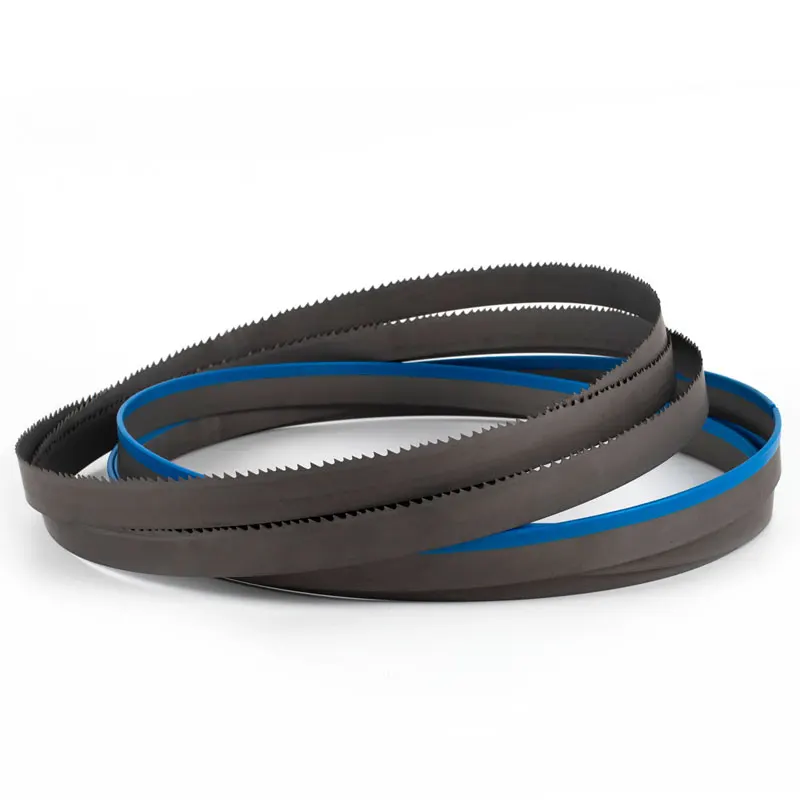
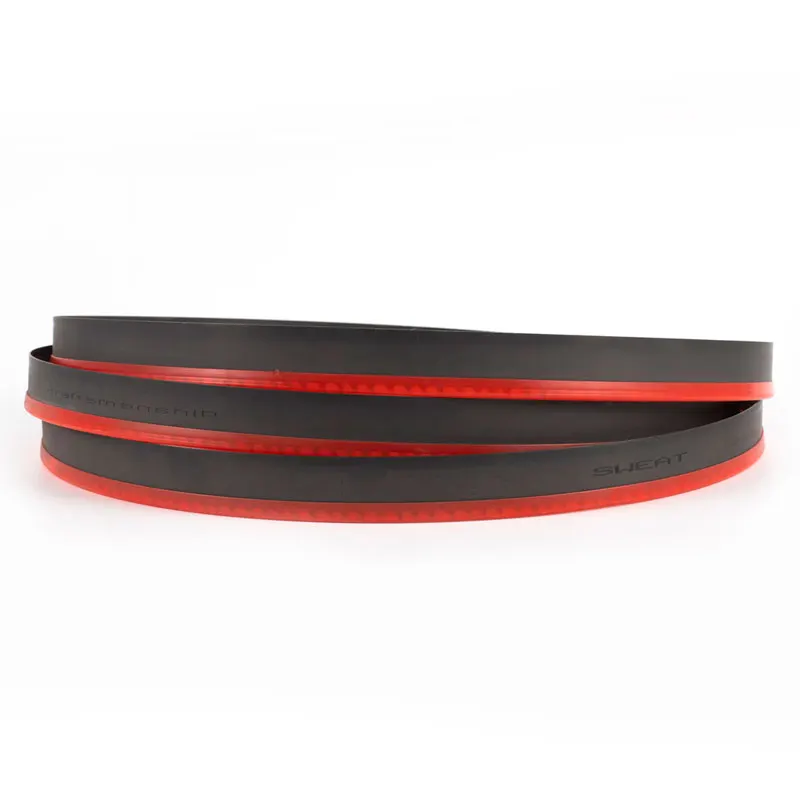
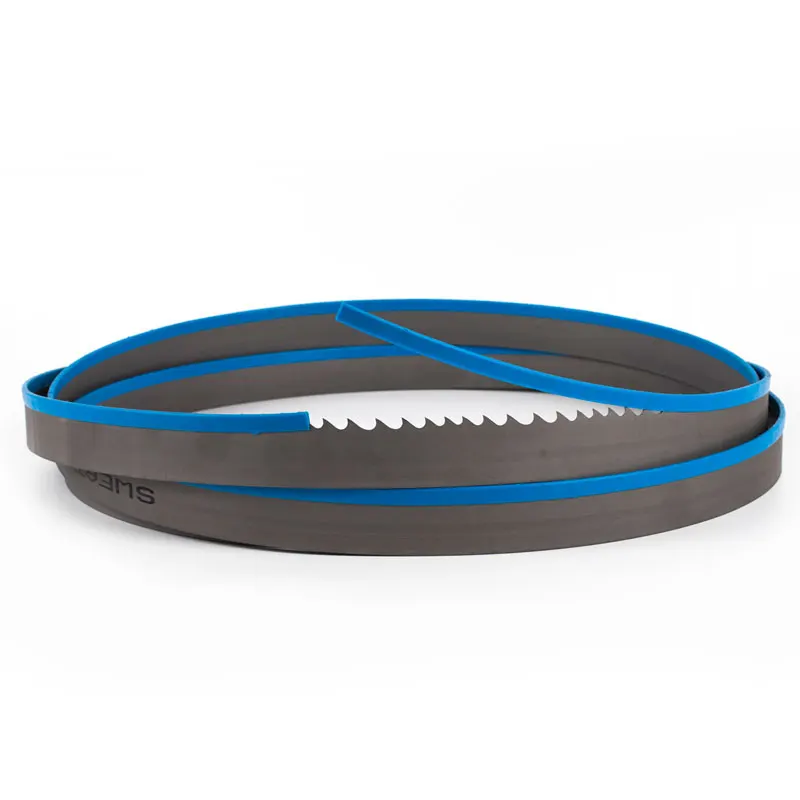
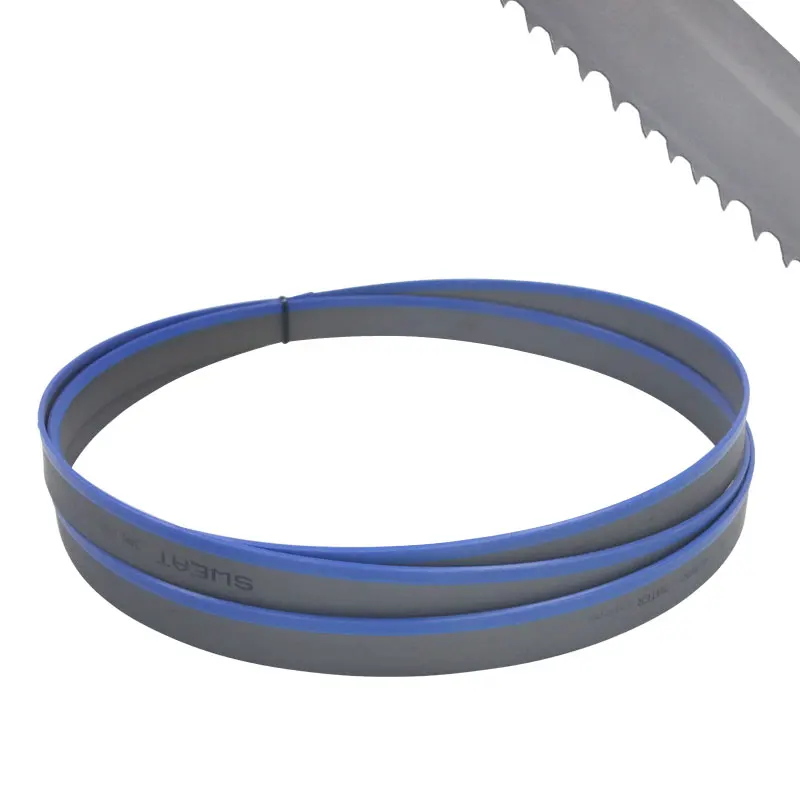
Hallo! Hierdie gids sal handel oor die draagbare bandzaagblaaie vir metaal snye, spesifiek. Metaal kan uiterstens hard wees en moeilik om deur te sny, wat dit baie belangrik maak om die regte blad vir die taak te gebruik. By SWEAT het ons baie tyd bestee om 'n wye verskeidenheid bandzaagblade te probeer om jou die ergerlike moeite van metaalsny so effektief en maklik as moontlik te laat verdwyn.
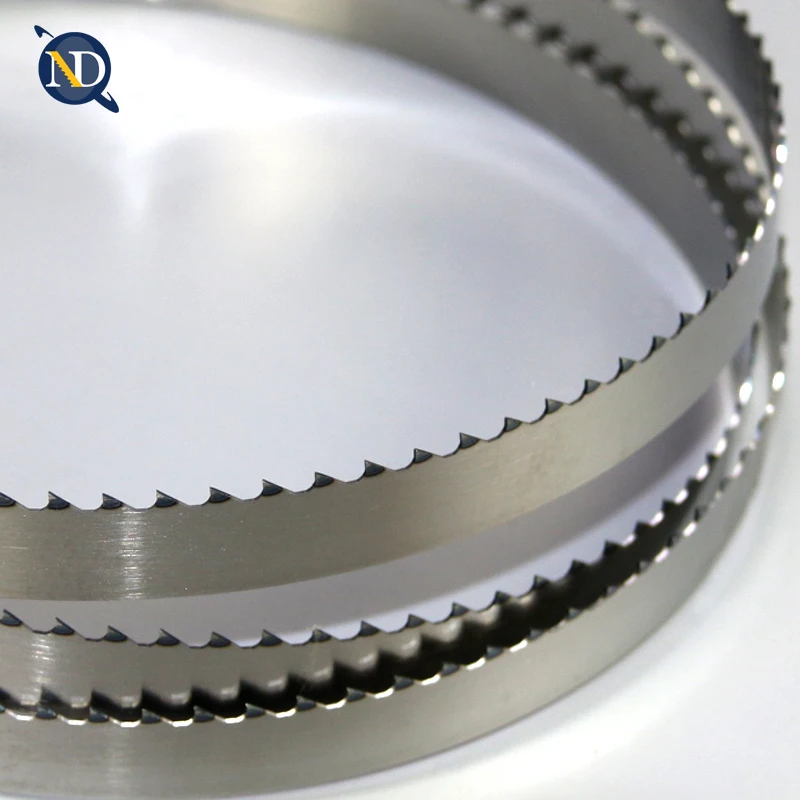
Voordat ons ingaan op ons gunstelinge, laat ons kyk na wat 'n goeie metaal-snyblad maak. Eersens, jy het 'n sterk en hoë-kwaliteit materiaalblad nodig. Dit laat die blad weerstaan aan die swaar werk om deur taai metaal te sny sonder om te breek. Tweedens moet die blad skerp tande hê en sterk en duurzaam wees. Skerpe tande laat die blad vinnig en netjies sny, wat krities is om die werk reg te doen. Laastens moet die blad ontwerp wees om geraas en trilling tydens sny te verminder. Dit laat die snyproses veels meer gemaklik en veilig vir die gebruiker wees.
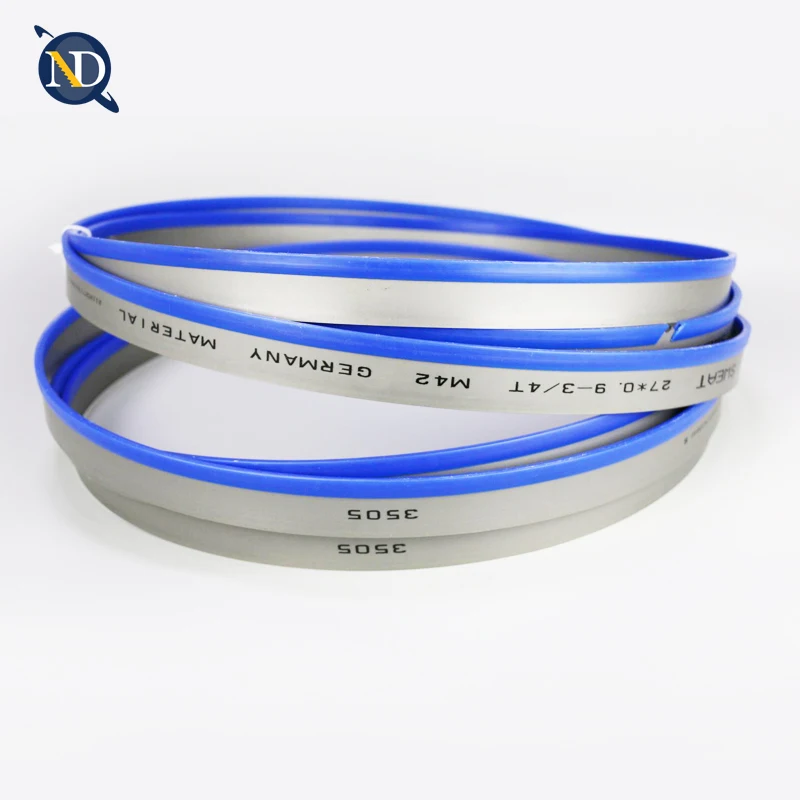
Nou, laat ons kom by ons top keuses. 1) SWEAT Metal Cutting Bi-Metal Bandsaw Blade Hierdie unieke blaar word van 'n tipe swaarpligstaal gebou wat in staat is om taai snyding te verdrags. Dit het ook 'n rand van kobalt wat dit ongelooflik volhoubaar en lankdragend maak. Dit is 'n presisie geslyp tandblaar, wat beteken dat die tande spesifiek gevorm is om deur metaal vinnig en soosglad te sny. Dit maak dit 'n ideale opsie vir diegene wat regelmatig metaal sal smeed.
Ons Tweede Plek: SWEAT M42 All-Purpose Bandsaw Blade Weer, net soos die eerste, word hierdie blaar van hoogsnelheidsstaal gemaak. Dit het 'n verhardde M42 rand, so dat dit deur taaiere materialen selfs beter sny, soos roestvry staal en hulpmiddelstaal. Die tandontwerp op hierdie blaar verminder waggeling en geraas tydens snyding vir langer lewendige, gladde snye. Betekenend dat dit gebruik kan word vir 'n verskeidenheid snywerktafe.
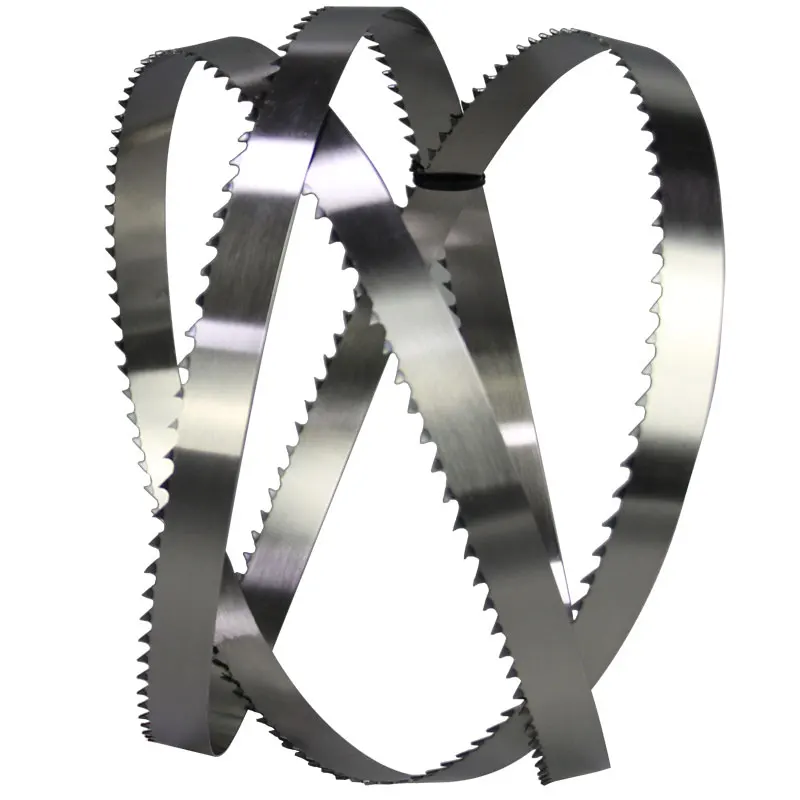
Daar is verskeie belangrike oorwegings wanneer jy kyk na die beste blaar vir jou draagbare bandzaag. Die eerste ding wat jy moet oorweeg, is die tipe metaal wat jy gaan sny. 'n Ander aspek van bimetaalblaar is dat verskillende metale die gebruik van verskillende blaar materiaal vereis. Verskillende Toepassings — Byvoorbeeld, wanneer jy sagte metale teenoor harde metale sny, word verskillende blaar nodig vir optimale prestasie.
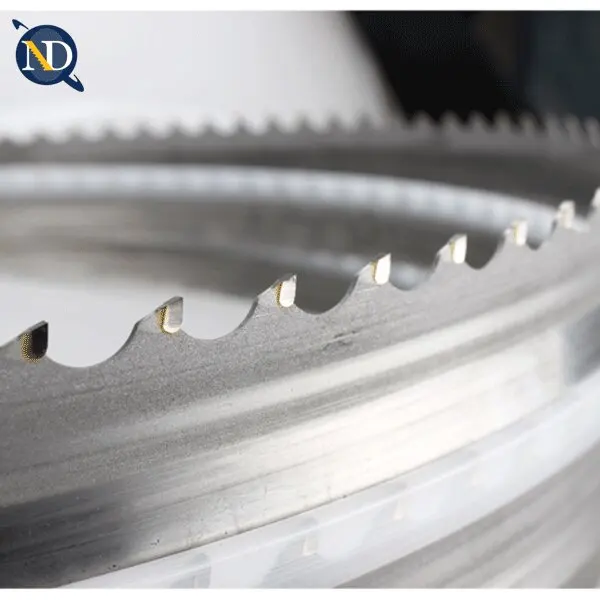
Dan moet jy oorweeg hoe dik die metaal is wat jy gaan sny. Blaaie met minder tande per duim (TPG) is die beste vir die sny van dikker stukke metaal, terwyl dunner stukke metaal blaar met meer tande benodig. Dit is omdat dit, as dit te veel tande het, kan oorhit en die metaal buig, wat ongewenst is. Teenoorgestelde, wanneer 'n blaar te min tande het, veroorsaak dit dat die metaal skud, en as gevolg daarvan is snede ru, onrein en nie presies nie.
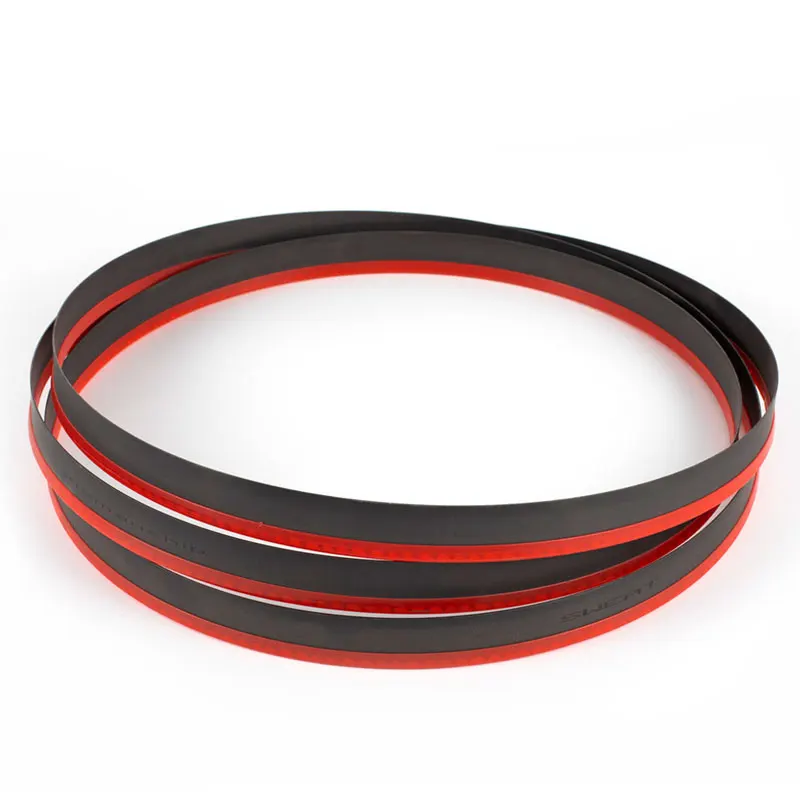
Om die meeste te kry uit jou draagbare bandzaagblad, hou die volgende beste praktyke aan: Maak seker dat die blad korrek geïnstalleer en gespan word op die zaag – as eerste. Beide te los of te stryk kan spanning skep wat tot probleme kan lei verderop vir sowel die blad as die zaag. Dit kan lei tot 'n korter lewe van die blad – en selfs veiligheidsgevaar tydens sny.

Copyright © Kunshan Jenada Machinery Co.,Ltd. All Rights Reserved - PRIVAATHEIDSBELIGTING