
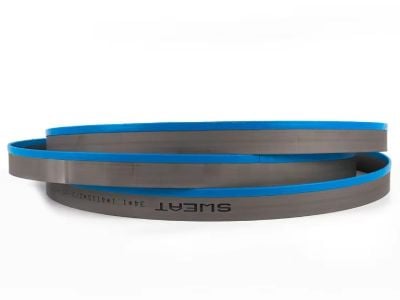
For cutting metal through, the level of hardness to pick matters. Blade hardness indicates how easily a blade can cut through the hard stuff. Tougher metal cutting blades can penetrate metals better, but they will also snap if used improperly. On the other hand, softer blades may not be as durable, but they are harder to get wrong. If, for instance, you are working with soft metal such as aluminum, then a medium hardness blade may very well do the trick. But for harder metals, including steel, you will want a harder blade. SWEAT knows the importance of choosing the perfect blade for your task. The right one can save you time and make your work easier.
Selecting the Right Blade Hardness:
When you need a blade, consider the metal you will be cutting. If your metal is soft — think copper or aluminum — a blade that’s not too hard will serve you perfectly well. These (softer) blades are cheaper and easier to handle. But, obviously, if you are cutting tougher metals (than aluminum) such as stainless steel, you need a more aggressive blade. A harder blade will hold its edge longer and can slice through difficult materials without flexing or snapping. You may believe the hardest blade is always the best, but that’s not true in all cases. If the metal saw blade is too hard for a more pliant metal, it can snap or shatter. So knowing your metal is what’s important.
The thickness is also something to consider. Thicker metals need stronger blades. If you’re cutting thin sheets of metal, a blade with a less-beefy build might be just the ticket. You might also want to seek advice from a person who understands about blades. SWEAT has its professionals who will help you choose the right one for your project. They can advise you the type of metal as well as what kinds of cuts you need to make.
Pause and consider how often you will be cutting metal. For a one-and-done, go with a more affordable blade. But for everyday use, you’ll actually save money in the long run — not to mention fewer re-purchases and less landfill waste if your blade lasts longer between rounds at that rock of disenchantment by upgrading to a higher quality one from SWEAT.
Which Are the Best Blades to Use So Metal Cutting Can Be Done More Efficiently?
It’s easier than you’d think to figure out what blades of what hardnesses are right for your needs. SWEAT includes various blades for different materials cutting by the metal. There are metal cutting saw blade in varying hardness ratings (that comes in handy, because you can choose what works best for your projects).
One way to find these blades is to visit a local hardware store. There can be a variety of different blades, and you can ask the employees for assistance. If you cannot find what you are looking for in person, check up online. SWEAT has an online shop where you can view all the available options. Descriptions Make sure to read the description and find the best blade for your task.
Specialist suppliers that concentrate in industrial equipment may be another area to explore. They typically carry several different steel types with varying hardness. And they may provide some useful advice about which blade to pick.
But also consider checking the reviews in your store by other customers. They can share their own experiences with certain blades, helping you narrow down your decision. SWEAT takes customer feedback to heart and uses it to better shape its products.
Ultimately, selecting the proper hardness of blade and knowing where to obtain it can vastly increase your metal cutting efficiency. Whether it’s a small project or big job, with the right tools from SWEAT, you’ll get great results.
What are the Factors Determining The Hardness Of The Blade And Its Effect On Cut Metal?
Blade hardness is a key characteristic that impacts how well cutting metal occurs with the blade. There are many things that affect the hardness of a blade. The material that comprises the blade is first and one of the largest factors. Cutting blades usually are made of steel, but not all steels are created equal. Some types of steel are blended with additional materials to create a harder alloy, such as carbon or tungsten. This act of mixing is referred to as alloying. The greater the carbon or other hard material in its steel, the harder a blade is. Another consideration is the heating of the compound. Once a blade is formed, it can be heated and cooled in a special way to make it harder. This process can also make a blade far tougher and more effective at cutting tough metals.
The harder a blade, the better it will cut through metal. A blade that is harder cuts metal more easily than a softer one and keeps its sharpness longer. The sharper and harder the blade, the less force is needed to cut metal. This makes it possible for workers to cut more quickly, saving time and labor. On the other hand, if the blade is too soft it can bend or lose its edge quickly making cutting more difficult and slower. This can result in errors and wasted materials. So, a good understanding of blade hardness is critical for people who work with metal. We at SWEAT specializes in manufacturing high quality blades with perfect range of hardness and toughness that provides best cutting performance.
How to Get Better Metal Cutting Performance by Knowing Blade Hardness?
In order to make metal cutting more efficient, we need to consider blade hardness. An edge’s hardness factor helps workers know which one is the most appropriate for their task. So if someone is cutting very soft metals, as aluminum, they might not require a very hard blade. A medium-hard edge will work just fine. But, a blade of high hardness is needed when cutting harder metals such as steel or titanium. This decision causes the blade not to go blunt too fast, offering smooth and clean cutting.
One other way to increase efficiency is by routinely inspecting and servicing blades. Keeping blades sharp is important. Not so — a dull blade causes more friction, which makes cutting more difficult and less efficient. Here at SWEAT, we suggest you use sharpeners to maintain peak blade performance. It’s also crucial to employ the correct cutting speed and pressure. Too much pressure will wear down a blade rapidly, while inadequate pressure can make for slow and difficult cuts. A better balance can lead workers to better results. In addition, the knowledge of how different materials respond to various blade hardness can promote cutting efficiency. This insight enables workers to choose just the right blade for their jobs and work fast and efficiently.
What Wholesale Trends are Propelling the Demand for High Hardness Cutting Blades?
There is an increasing need of the super-had cutting blade and it has several trends. One of them is the expansion of manufacturing and construction. In these businesses it is a common operation to cut through resilient materials, and the job can be made easier and faster by use of high hardness blades. With an eye to increasing their productivity, companies are spending more on quality tools, like SWEAT. It’s an investment that means their workers aren’t wasting time working with dull blades as well.
Another is the increasing of high and new technology and machines. New machines are modernized to run high-hardness blades, so it is a hot product in the market. These models can tackle more demanding tasks, and the proper blades are crucial for getting them to run their best. And with environmentalists sounding the alarm, businesses have an increasing interest in not wasting and recycling. The high-hardness blades have longer service life and are replaced less frequently, which is more environmentally friendly. This trend is an appealing one to businesses that want the best results possible while being more eco-friendly.
Ultimately, the world economy is getting larger, and businesses want to be competitive. This competitiveness fosters the interest of achieving higher performance for their tools, which involves high-hard cutting tools. And companies that utilize the blades can slice through metal more efficiently, incur less downtime and boost their profit margins. SWEAT is leading the current topography by offering this next level of blades, and has successfully got their clients ahead of the competition.
Table of Contents
- Selecting the Right Blade Hardness:
- Which Are the Best Blades to Use So Metal Cutting Can Be Done More Efficiently?
- What are the Factors Determining The Hardness Of The Blade And Its Effect On Cut Metal?
- How to Get Better Metal Cutting Performance by Knowing Blade Hardness?
- What Wholesale Trends are Propelling the Demand for High Hardness Cutting Blades?