
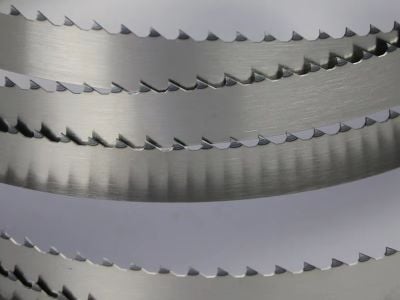
When cutting meat, having the right equipment is important. A meat saw is a necessary tool in any butcher shop or meat-cutting establishment. The blades for these saws must be durable to cut through hard materials. At SWEAT, we understand the importance of durability for meat saw blades and we'd like to share what makes them last longer. Knowing what makes meat saw blades so durable can assist you when making your purchasing decision
What Makes Meat Saw Blades Last Longer
Several factors contribute to the durability of meat saw blades. First and foremost, is the material the blades are made of. When good quality steel is used it often endures heavy usage without snapping. Some blades have a special coating placed on them to prevent rust and wear. For example, stainless steel is commonly used, as it will not rust easily. It is also long-lasting as it keeps its sharpness longer. The way in which the blades are manufactured also affect its durability; blades heated in manufacturing are typically much harder. Heating the steel hardens it which, in turn, gives it the ability to withstand stress
Another major factor is the thickness of the blade. Thick blades can endure more stress without bending than their thin counterparts. The thickness must be balanced with the strength. While a thick blade will not bend, it will not easily cut; thin blades will not withstand stress. The shape of teeth are another important factor for meat saw blades. The shape will enable the blade to perform better. While some blades have sharpen edges, while other have larger spaces between the teeth; these vary with meat type. If you have to cut bone, for example, you will want a blade with smaller and shaper teeth compared to that which cuts soft meat. Cleaning the blade frequently can also prolong its life span considerably

How To Choose Durable Meat Saw Blades
The options for purchasing a good quality meat saw blade seem to be overwhelming, but they do not need to be. The first factor when choosing meat saw blades is what meat you will be using them for. For thicker cuts and bones, you should consider getting thicker blades made of quality steel. Ensure that the blades have a protective coating to prevent wear and rust. The blades should be able to make good quality cuts
You should also consider what kind of teeth your meat saw blades will have. There are varying teeth to ensure efficient meat cutting. Blades with small pointed teeth are best for cutting through bones, while blades with widely-spaced teeth are ideal for soft meat. Consider the length of the blade, long blades will perform large cuts but will be harder to control. The length of your blade must feel appropriate in your hand. Always read reviews and ask others for help in choosing blades. Lastly, proper maintenance is essential; a tough blade will only work as long as you maintain it properly. Make sure the blade you choose is easy to clean and sharpen. It is important to ensure that your saw runs smoothly for the greatest work capacity; SWEAT only aims for high performance
Regarding meat saw blades, material is the primary factor that will influence how long it will last
High-quality materials mean a significant difference when using SWEAT's blades. Durable steel is used for our blades to make sure they withstand difficult cutting conditions. Some of our blades are made from stainless steel; this prevents rust. Meat juices can corrode other types of steel. Carbide also makes a major impact on how long your cut blades will last; it is strong and stays sharp for a longer duration. Our carbide-tipped cut blades can handle any type of meat and have reduced sharpening needs, ultimately saving you money and time. Certain blades are also coated, which increases their lifetime and prevents wear. Coatings act to shield blades from corrosion and moisture, thus preserving their sharpness. These qualities of SWEAT's materials all contribute to its long life and efficiency
It is also true that design affects how long meat saw blades will last;SWEAT aims to create sharpen and long-lasting blades. Tooth shape greatly impacts the efficiency of the blades; well-shaped teeth will be more efficient at making good cuts. Poorly-shaped or sparsely-toothed blades tend to wear quickly. The best teeth will always be sharp enough, making straight and precise cuts; their spacing is designed for optimal efficiency. The thickness of the blade is also important for a blade's durability. While heavier blades last longer due to less bending and therefore less pressure applied during cutting; they also make it harder to cut. SWEAT aims to find the perfect thickness for their blades to increase its lifetime. The blade length is an important factor too. Larger blades that can cut greater lengths will break much less if not made of sufficient quality; SWEAT pays close attention to the thickness, tooth design, and length of our blades to ensure performance
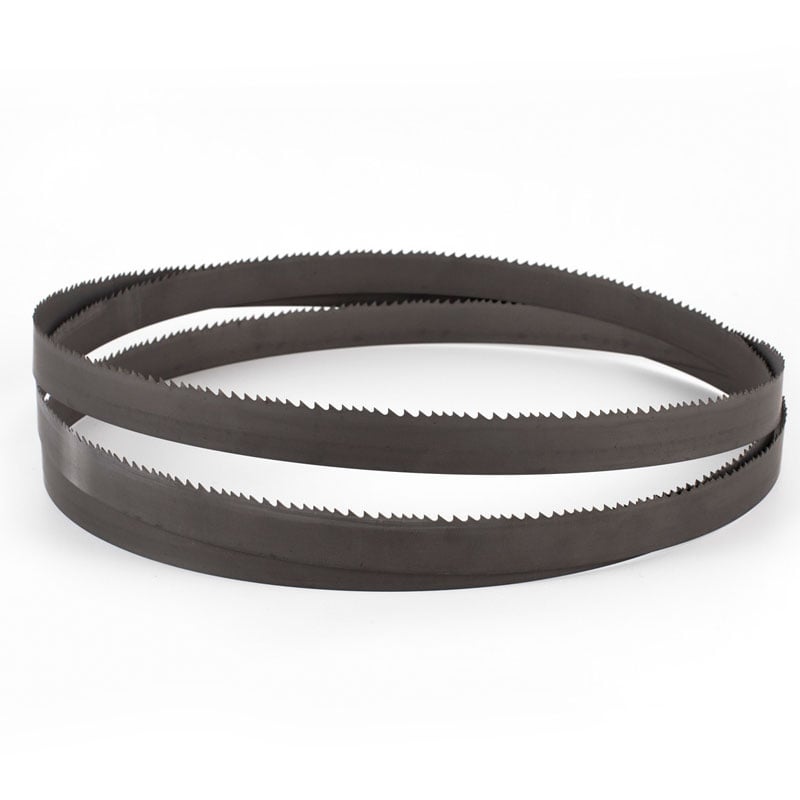
Proper maintenance of your meat saw blades is essential for their longevity and efficiency
SWEAT's proper maintenance procedures make a huge difference in blade life. The blades should always be cleaned after they are used. Meat residue left behind will lead to rust and dullness. Clean your blades with a soft brush, soap, and warm water to get rid of any meat scraps. Dry your blades thoroughly so that no moisture remains on them. Applying a thin coating of oil will prevent rust from forming. Your blades should also be sharpened regularly and it is time to do so when they begin to get dull. As SWEAT's slogan goes, use a good blade or get a professional to sharpen them if you're not confident; you should store your blades so they are not damaged by other tools