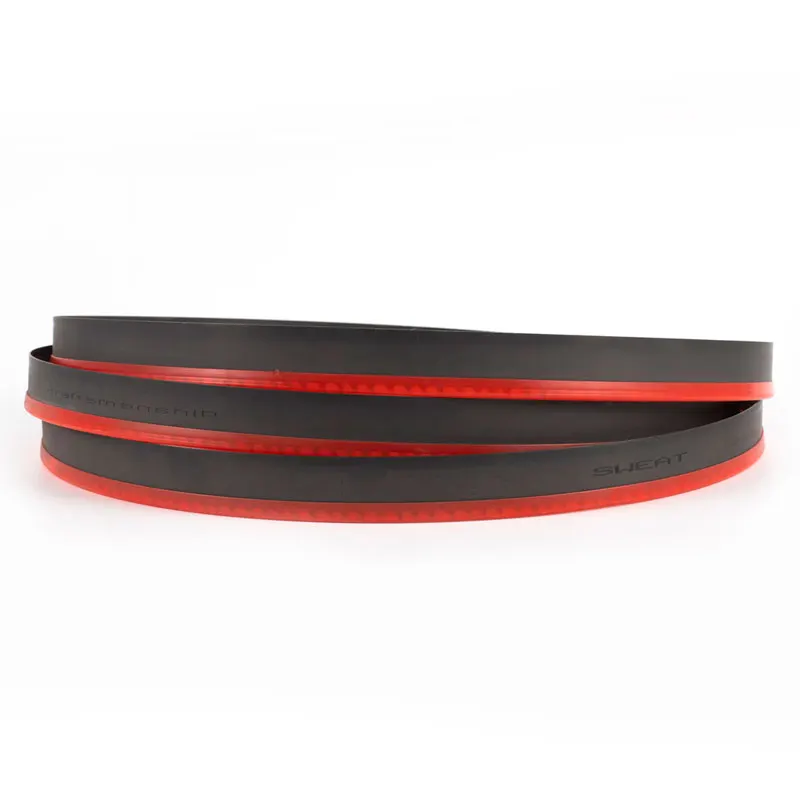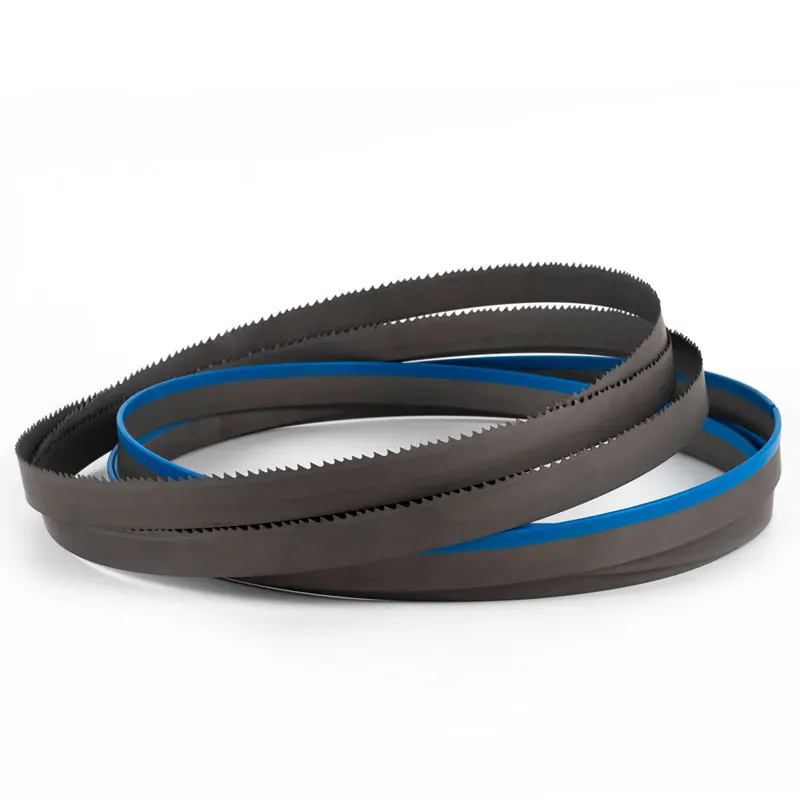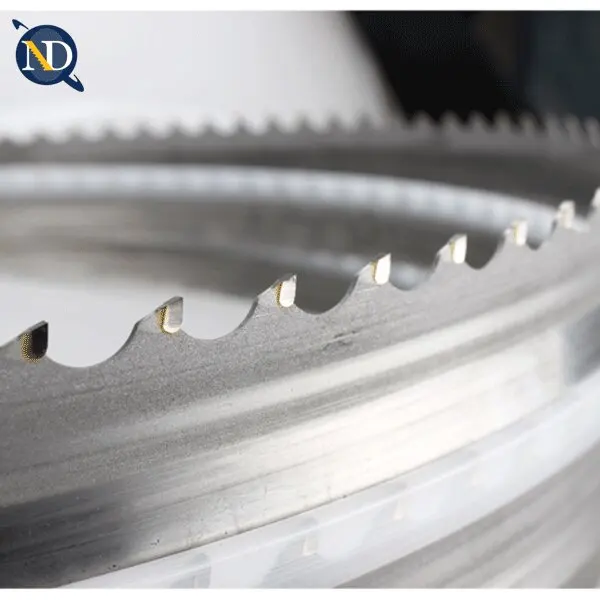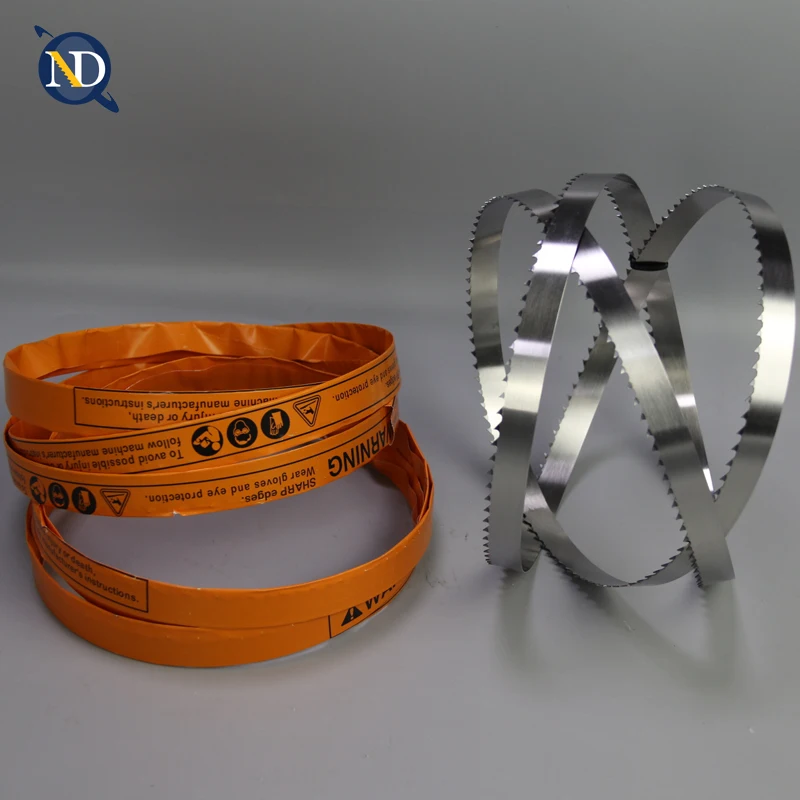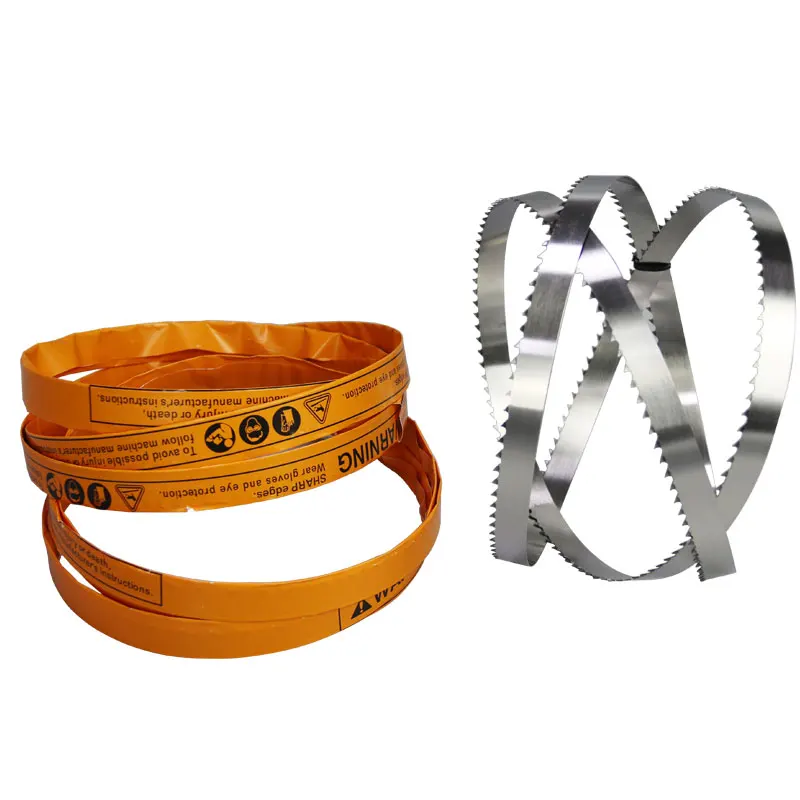
Երկու մետաղից պատրաստված շղթայավոր սղոցի սաղտը այնպիսի թեմա է, որը երեխաներին ժամերով կարող է զբաղեցնել: Սաղտի կտրումը սուր եզրի միջոցով առարկայի ներխուժումն է: Դա կարող է լինել ինչ-որ այնպիսի փոքր բան...">
Ոհviso! Տ bi metal bandsaw blade հանդիսացում է թեմա, որը կարող է տալ երեխաներին բազմաթիվ ժամեր: Հատումը տեղի է ունենում, երբ սպասարկ կոչում փոխհանգում է որևէ օբյեկտում: Դա կարող է լինել որևէ փոքր բան, ինչպես օրինակ թվարանի սանդվիչ կամ ինչ-որ մեծ՝ ինչպես օրինակ մանուշակագույն մանուկ: Սպասարկները գտնվում են շատ տեղերում՝ նմանապես խանութում, դասարանում, ինչպես նաև ספורטորտյալներում: Այս դեպքում սպասարկի հատումը կարևոր մարդկային կոնցեպցիա է, և մենք հավանում ենք, որ յուրաքանչյուր երեխան պետք է իմանա, թե ինչպես կատարել դա: Այդ պատճառով, ներդնանք սպասարկի հատումի աշխարհ և ուսումնասիրենք այն ամբողջությամբ:
Կարող եք սպասարկի հատումը կատարելու համար առաջին հաջորդագրությունը սպասարկի աշխատանքային սկզբունքների մասին լսել։ Սպասարկը կարող է բաժանվել երկու մասերի՝ կոչում և ստորակենդ։ Կոչը այն է, որը հատում է, իսկ ստորակենդը՝ սկզբնական կետը։ Երբ դուք սա լսում եք, պետք է սովորեք, թե ինչպես պետք է պարունակել սպասարկը՝ ճիշտ ձեռքով։ Գերակայքում պարունակեք սպասարկի ձեռքը ձեր գլխավոր ձեռքով, իսկ մյուս ձեռքով՝ ուղղեք սպասարկը։ Բավարարապես ան전ություն համար, սպասարկը միշտ պետք է ուղղել ձեր մարմնից դուրս:
Գիտակցելով տարբեր տեսակի biմետալ բենդսավի սանդեր դրանք ծանոթանալու համար: Օրինակներ են կաթիլը, կտորը եւ կոճակը: Կտրելը նշանակում է վերից ներքեւ շարժումով կտրել, ինչպես մրգեր կամ բանջարեղեն կտրելը: Օրինակ, եթե դուք կծկում եք սոխ, ապա դիպչում եք այն ներքեւ: Կտրելը նշանակում է կտրել փայտով, ինչպես հաց կամ մի կտոր մս: Օրինակ՝ երբ հաց կտրում ես, դանդաղ սահում ես դանակն առաջ ու ետ, որպեսզի գեղեցիկ, հավասար կտորներ ստեղծես։ Դարպասը այն է, երբ ինչ-որ բան կտրում ես ավելի փոքր կտորների, երբ պատրաստում ես մի բան, որը կթողնես աղցան, օրինակ: Կուտակելու համար նախ կերակուրն անասունների մեջ կտրում ես, ապա այն փոքրիկ կուբներ է վերաբերի:
Կոտրումը նաև ֆիզիկայի հարց է! Սպիտակի սահքը ունի բարդ մակերևույթ, որը գնահատում է ճնշումը որևէ օբյեկտի վրա շոշփելիս: Այդ ճնշումը հանգում է սահքին ավելի հեշտ կոտրելու համար: Երբ սահքի կраնգը դեղինում է, այն ավելի մեծ ճնշում գնահատում է, ինչը դարձնում է կոտրումը ավելի հեշտ: Բայց դեղին սահքն նաև ավելի խախտվող է: Դրա պատճառով պետք է համոզվել, որ սահքերդ սահքավորված են՝ աջակցելու նրանց աշխատանքը:
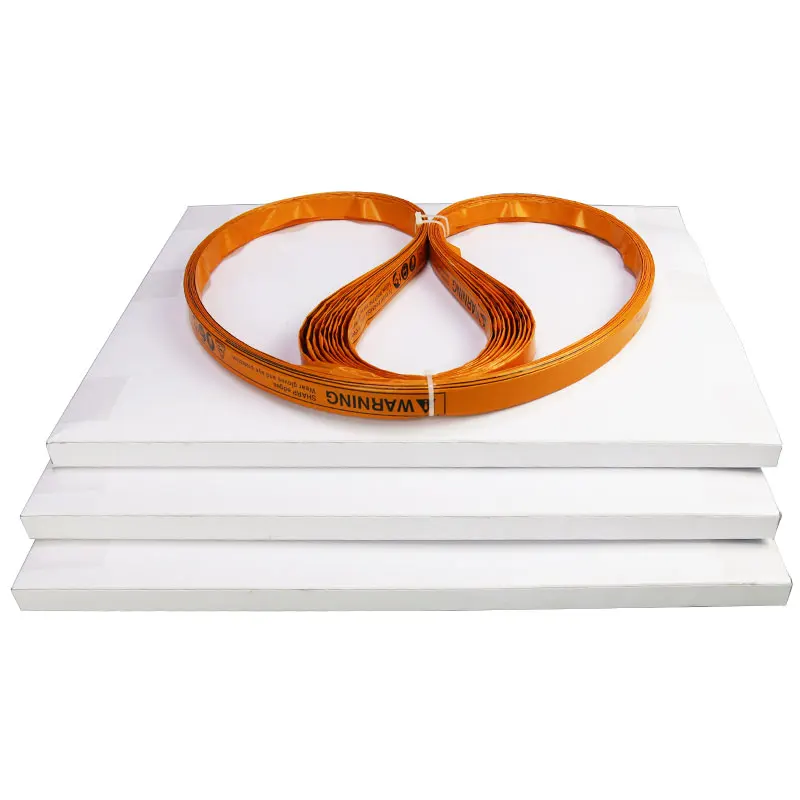
Բայց սահքերը սահքավորված են, և դրանք կարող են անտարնելու տարածքներ ունեն, այնպես որ լվանալու ժամանակ դեմացություն պահիր: 항jours կոտրեք նույն ուղղությամբ և պահեք մատուցներին հեռացված լինել սահքի կраնգից՝ անտարություններ անջատելու համար: Լավ գաղափար է վարժվել ընկերի կամ մոտեցած ավագ անձի հետ, ով կկարողանա օգնել ձեզ անտարություններից պաշտպանվելու ժամանակ կոտրելիս: Եթե դուք կոտրում եք մեծ ինչ-որ բան, ինչպիսիք է սունդ, համոզվեք, որ ունեք ինչ-որ կայուն ներքո և օգտագործում եք անտար կոտրումի տեխնիկա:
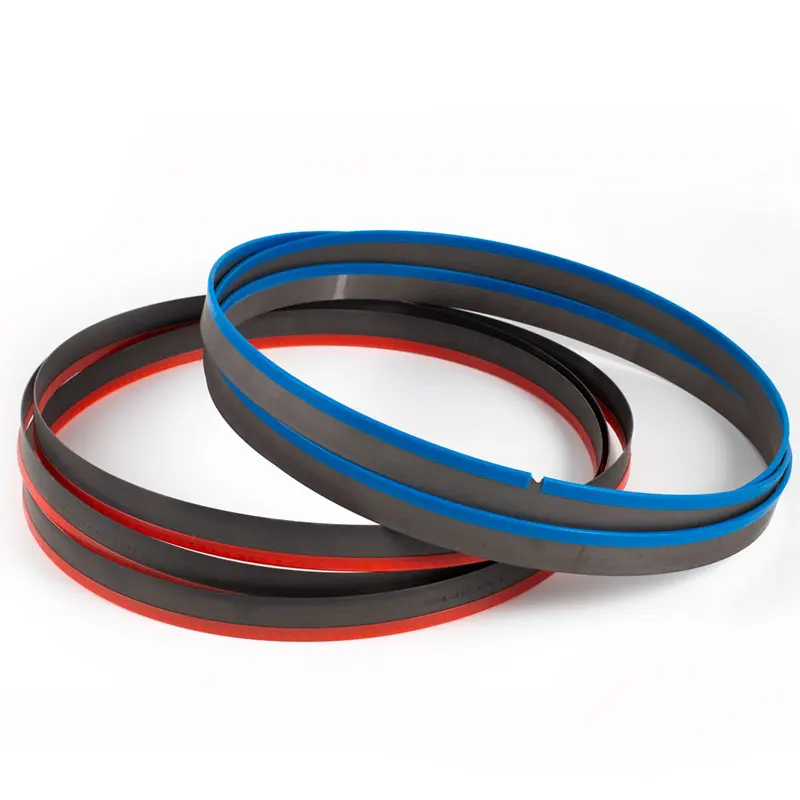
Հավանում եք նաև պահել սիրտերդ սուր, քանի որ անսուր սիրտ ավելի շատ ուժ պահանջում է կտրելու համար, ինչը կարող է բացառիկ սխալներ ստեղծել։ Սուր սիրտ կտրում է կարևորապես, իսկ անսուրը կարող է սահքել և անհայտապես ձեզ կտրել։ Վերջապես, միշտ օգտագործեք ճիշտ սիրտը աշխատանքի համար՝ պահելու համար ան전ությունը և հանգունելու հարցերը։ Այսպիսով, եթե կտրում եք մաcio բրենդ, օգտագործեք բրենդի սիրտ, իսկ եթե կտրում եք միրգեր, օգտագործեք խոհանոցի սիրտ։
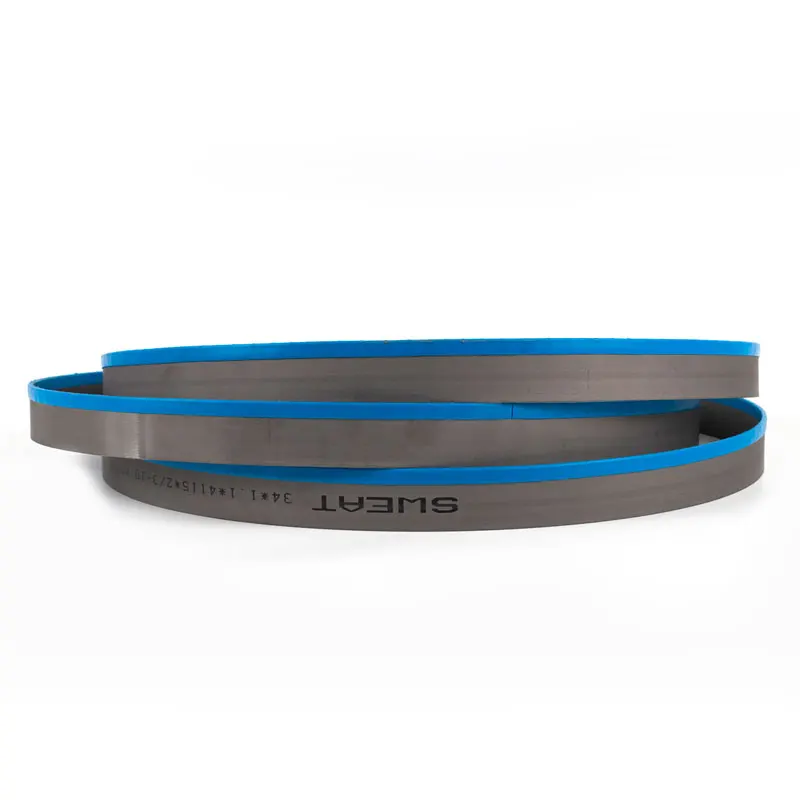
Սիրտի այս մեթոդը կտրելու համար ոչ միայն գեղեցիկ և կոնցիս է, այլև ուժով և օգտագործելի։ Մարդիկ արդեն մրցույթներ կազմում են՝ տեսնելու համար, ով կկտրի լավագույնը։ Մրցույթները ցույց են տալիս, թե որքան կարող է մեկ արդյոք դարձնել վարավ պարապիլով։ Սիրտի կտրելիքների արվեստը մարտահայտ, ճշգրիտ և արագ է։ Սիրտի կտրելիքները լավ են ստեղծական պրոեկտների համար, որոնք փոխանցում են տանը կարդացող նախագծերից մինչև 얼음ի անցումը, և կարող են շատ բավական բավական լինել։

Copyright © Kunshan Jenada Machinery Co.,Ltd. All Rights Reserved - Գաղտնիության քաղաքականություն