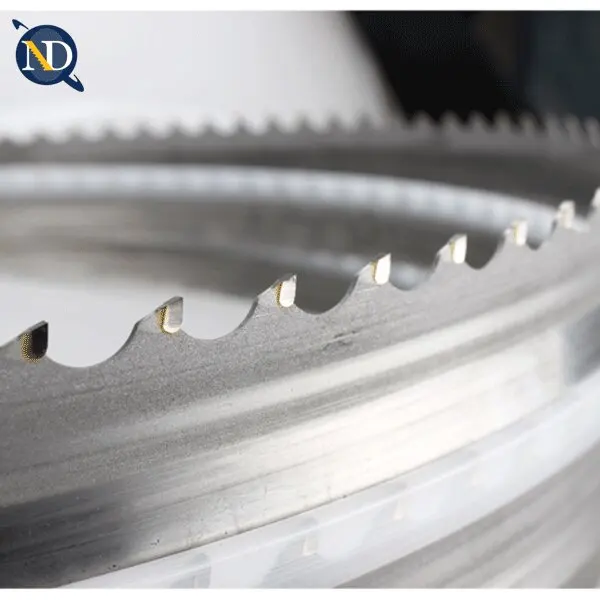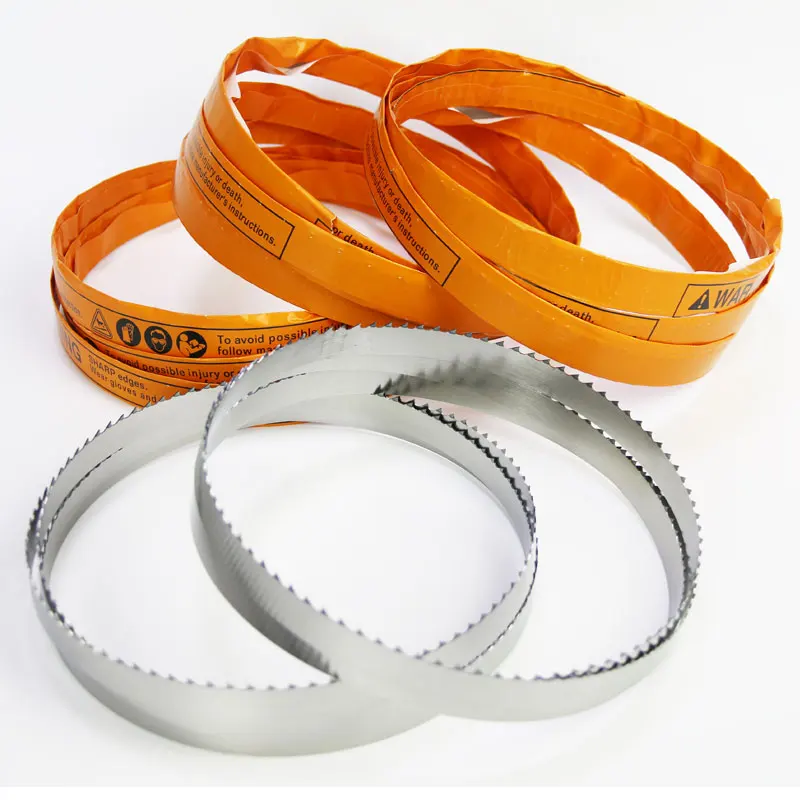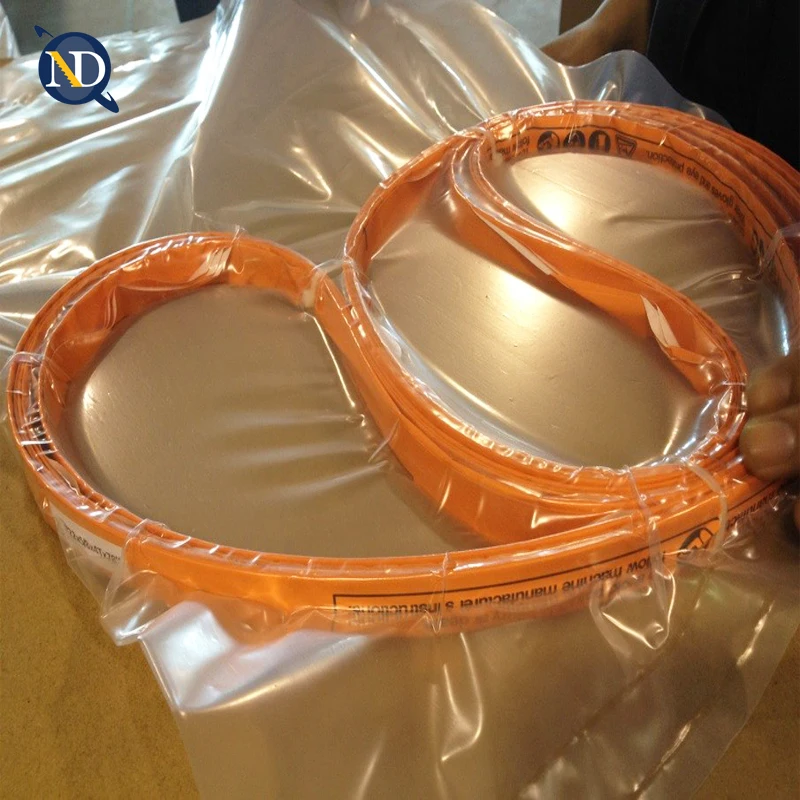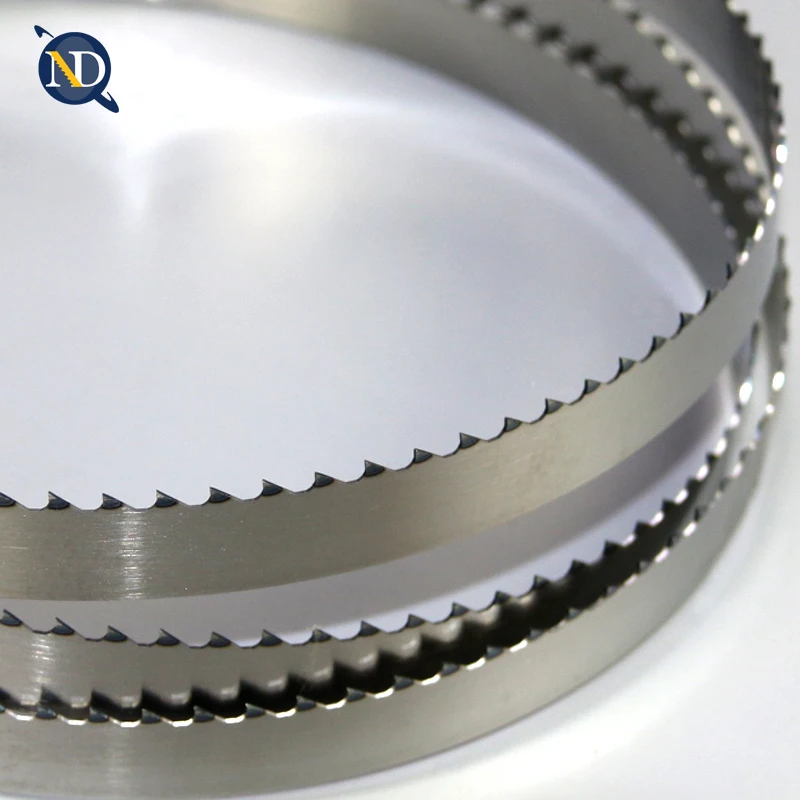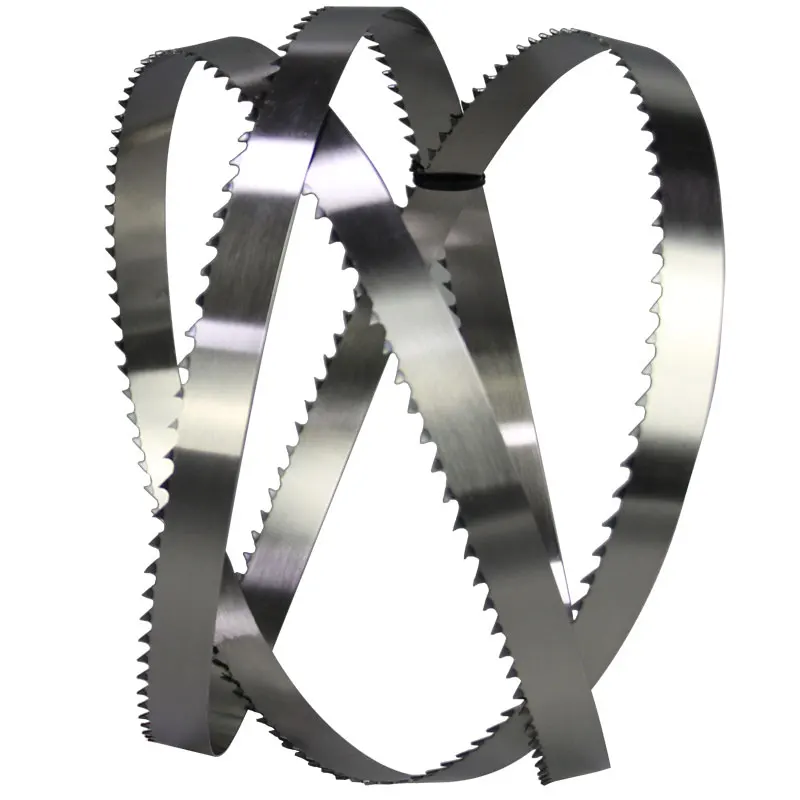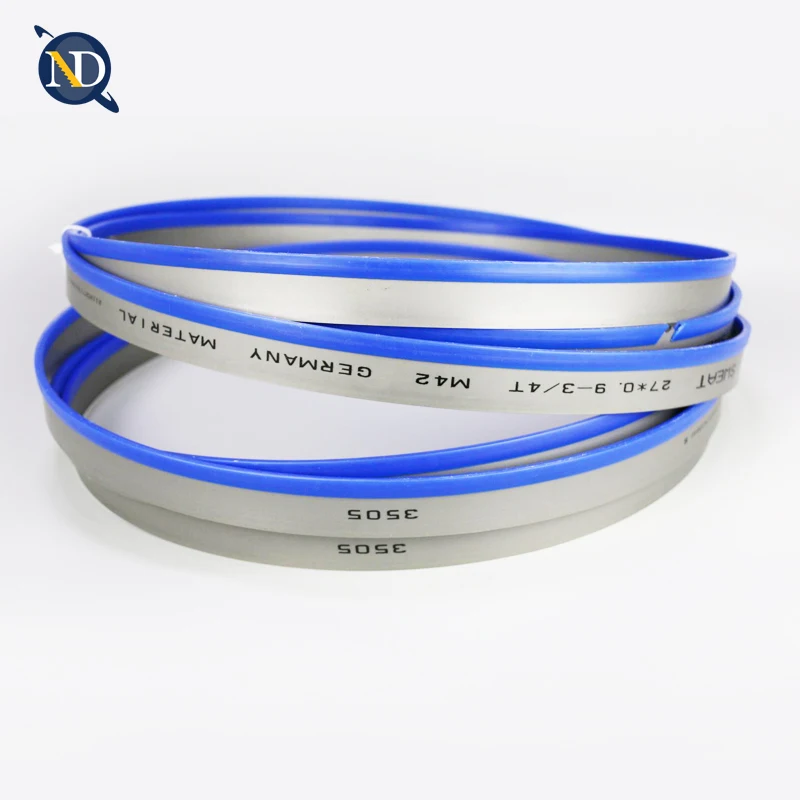
Endi, Band Saw Blades haqida gapirishni xohlaysiz — bu kesish uchun maxsus asboblar hisoblanadi, umumiy ravishda pichoq, metall, plastik va boshqa materiallarda. Shuning uchun ular ko'p loyihalarda juda foydali bo'lishi mumkin! Aluminium band saw blades bilan kesiladigan tipik materialdir. Turli turdagi stiklar va qoplamalar yetakchi, sariq aluminium metallidan ishlangan. Kunda hayotimizda ko'ramizchi narsalariga misol sifatida, samolyotlar, gazli choy qutisi va boshqa mutfak asboblari shu materialdan ishlangan. Demak, agar siz aluminium kesish uchun eng yaxshi band saw blade-ni topmoqchisiz, esa endi to'g'ri joydasiz! Ushbu maqolada aluminium kesish uchun to'g'ri qilichni tanlashga, uni effektivligini maksimal qilishga va aluminium kesish davomida qilichni yaxshilikda saqlashga doir maslahatlarni beramiz. Bu maslahatlar orqali aluminium loyihalaringiz uchun band saw qilichini oson va muvaffaqiyatli ishlatishingiz mumkin bo'ladi!
To'g'ri band pilya chiziqli kirishni tanlashda aluminiy uchun qanday foydalanish kerak // Aluminiy uchun band pilya chiziqlarini tanlashda birinchi hisobga olinadigan narsa chiziqlining kengligidir. Chiziqli kenglik orasida, unda sizga tezroq va yaxshiroq kirishda yordam beradi. Kengroq chiziqlar to'g'ri chiziqdagi kesimlar uchun yaxshi, albatta kamroq chiziqlar esa ayrim kesimlar uchun yaxshi. Aluminiy gipstavkalarda ishlangan kengliklarning operatsion miqdori 1/8 inchdan 3/4 inchgacha.
En bilan birga, pitch (uchquv), tezlik va yoyilishni tanlash ham juda muhim. Shunday qilib, uchquv bu kattaklar orasidagi masofa. Agar u juda yengil bo'lsa, kesish mayli yaxshi emas. Kattaklarni juda yaqin ko'rsatilsa, katta jamalishi mumkin. Optimal ishlayishi uchun kerakli kesish tezligingizga mos keladigan katta tezligini tanlashingiz kerak. Oxirgi paytda, har bir pila katta quyidagi to'g'ri yoyilish bilan siljidan o'tadi va katta yoki chiziqdagi kesishmalar yo'q holatda ishlaydi.
Alüminiyumni kesganda band pilya qattiqining ishlashini ta'minlash uchun birinchi bosqich, optimal qatta to'rtburchak eni, chiziq, ezgich va bosimni tanlash. Ikkinchi bosqich, kesishdan oldin tiz hamda oson qattiq bilan boshlang. Bu juda muhim! Ishlashingizda qattiqning tezligi va bosimi to'g'ri holatda saqlash uchun uni parametrlarini moslashtirishingiz kerak bo'lishi mumkin. Shu sababli, agar qattiq juda issiq bo'lib ketganini ko'rsangiz, kesish jarayonida sochqin yoki masalan ishlatish issiqlikni kamaytiradi va shuning uchun qattiqning hayot muddatini uzaytiradi.
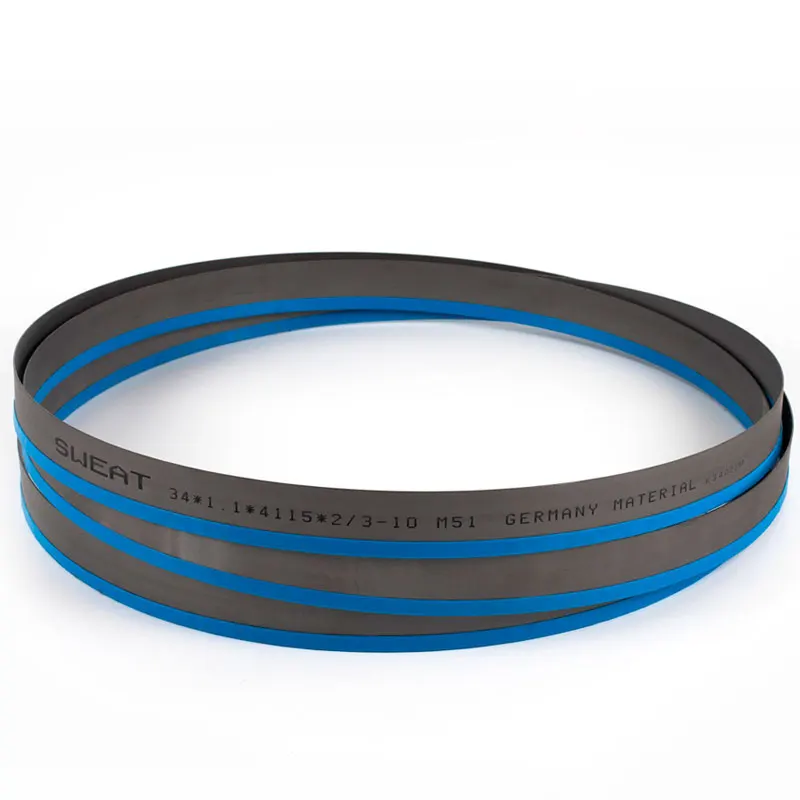
Har bir inchda necha disik borligi — ya'ni TPI — pilyodagi har bir uzunlik inchida nechta disik borligiga nisbatan hisoblanadi. TPI pilyaning qanday kesishini ta'sir qilishi mumkin. Har bir inch pilyoda nechta disik borligi (TPI) shu bitta inch pilya orasida nechta disik borligiga nisbatan hisoblanadi va yuqori TPI pilyada ko'proq disik borligini anglatadi, bu esa singar metalllarni kesish uchun yaxshi. Disiklar sonini (TPI) kamaytirish, kalta metallni kesishga imkon beradi. Aluminiumni kesganda 10 va 14 oralig'idagi TPI qiymati bo'lgan pilya kerak.
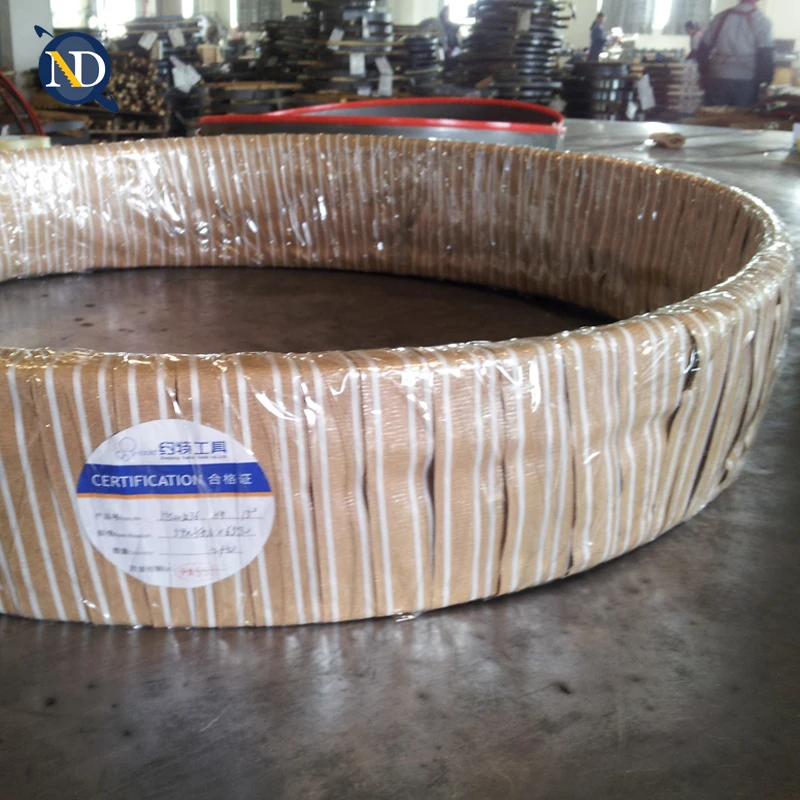
To'g'ri pilyaning stiligi ham kesish uchun muhim. Masalan, agar siz kalta aluminiumni kesaysiz, unda skip tooth (bosiq disikli) pilya yaxshi ishlaydi chunki u kalchalik bilan urinishda yaxshi xizmat qiladi. Aksincha, agar singar aluminium kesilsa, unda hook tooth (hook disikli) pilya qulay kesishni yaratishga yordam beradi.
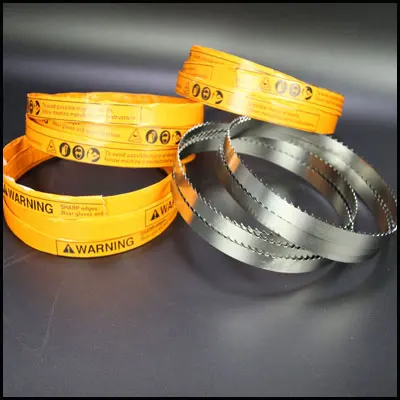
Barcha ushbu turli xil turli va darajalardagi aliuminiy kesish uchun mavjud bo'lgani uchun, band pilyulangiz aliuminiy ni optimal ravishda kesayotganiga ishonch hosil qilish uchun kerak bo'ladigan asosiy narsa - aliuminiying quroligi va kaltsigacha to'g'ri kenglikni, bosimni, tezligini va yuqori sirtini tanlash. Pilyulangizni oson va toza saqlash juda muhim va talab qiladigan holatlarda pilyula tezligini va bosimni o'zgartirishingiz kerak optimal effektivlikni ta'minlash uchun. Agar pilyula issiq bo'lsa, sochiluvchi yoki maslovchi uning davom etishi va yaxshi ishlashiga yordam beradi. TPI va pilyula orqa to'rtburchakining to'g'ri tanlovi ham har doim to'g'ri va aniq kesimlarni amalga oshirishga yordam beradi.

Copyright © Kunshan Jenada Machinery Co.,Ltd. All Rights Reserved - MAXFIYLIK SIYOSATI