
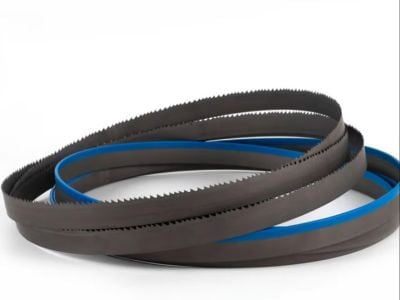
Finding the right bandsaw blade is a very crucial aspect for anyone looking to make cutting tasks fast and easy. At SWEAT, we understand how a good blade can dramatically affect your productivity! If you choose a blade that is appropriate for your material and application, you will be able to saw faster and save time and money. This article will provide you with insight on what to look for when selecting bandsaw blades and how to maximize performance in your shop.
Factors To Consider When Selecting Band Saw Blades For Maximum Productivity
There are a couple of things to consider when you’re searching for the right bandsaw blade. First, and foremost, is what type of stuff you will be cutting. Different materials need different blades. If you’re cutting metal, for instance, you want a blade with a hard edge; wood can make do with something easier. Material thickness matters, too. For thicker stuff, no more than 6 or 7 teeth help to make the cut through easier.
Then, consider tooth patterns themselves. The blades can be formed with different shapes and pitches of teeth. The wider the spacing between teeth on a blade, the quicker it will cut and more rough its edge. The flip side: Blades with small teeth close together will provide you a smoother finish but they might cut slowly. It all depends on your individual situation and finding the remedy that works best for you.
The thickness of the blade is a very important factor in this also. A broader edge can create a straighter cut, but is typically harder to handle. An even narrower blade is best if you have to make curves or more complex shapes. You’ll also want to take a material that the blade is made of. Carbon steel blades are what you want for wood and bi-metal for cutting both wood and metal.
Finally, consider the cost. Click here to read about it Sometimes paying more for a better blade can save you money over the long haul because it lasts longer and works better. At SWEAT, we have a selection of band saw blade for every purpose and situation. But, for any project, always read reviews before you buy one that’s wrong and ends up being a waste of money.
Get More Done with Your Bandsaw Blades
To make the most of your bandsaw blade, there are several steps you can take. First of all, you want to make sure your bandsaw is actually set up properly. This is by checking that the blade tension is accurate and that the blade is aligned correctly. If the blade isn't straight, it will result in un-even cuts and could shorten the lifespan of the blade. Your cutting blades will run better, longer if you perform regular maintenance.
Second, the cutting velocity is also a crucial factor. Different materials require different speeds. For instance, you’ll usually need to move slower when cutting metal to keep the blade from getting damaged. Wood, on the other hand, is also easier to cut. Knowing the correct speed for the material you are cutting can help make your cuts look a little more polished.
You have to employ the correct feed rate. And this is how fast you’re delivering the stock to that blade. If you move too quickly, it can bind or break the blade. If you’re going too slow, you are wasting time. It may take some practice to find the correct speed, but it’s well worth it for improved cuts and less wear on the blade.
And whatever you do, keep your blades sharp! Dulled blades may allow more friction, which can cause overheating and injury. At SWEAT, we advise monitoring the sharpness of your blades, if it's time to replace... do so! Final Thoughts About a Clean Workspace And that’s it. Dirt and dust can cause it to get in the way of bandsaw performance. Keep a tidy office/policy: Clean desk keeps it safe and efficient.
By watching these factors, you will be able to maximize your bandsaw blade longevity and you cutting operations will become easier. Choosing the wrong blade or not maintaining it properly is going to cause you more headaches, costing you productivity and money in the end.
A Comprehensive Guide
As a woodworking professional, the most important thing is to select the best bandsaw blades so that you can cut materials neatly and accurately. At SWEAT we know that the right blade can drastically change how efficient your production work will be. What is a Bandsaw Blade Bandsaw blade is a long, sharp band of metal that cuts wood or metal (depending on the kind of bandsaw) through rotation. Different tasks call for different styles of blade. For instance, if you are cutting softwood then fewer teeth is required, wood and metal do take more teeth to get you a nice finish.
When choosing a blade, you'll want to think about the thickness of the material you'll be cutting. For heavier-duty usage, thicker materials may require a more robust blade. And think about what type of cut you want to make. Are you cutting straight pieces or curves? Use that narrower blade for curves. You should also consider the speed of your bandsaw. Some of the blades perform better at high speed and some need slow speed for cutting well.
Just as essential is the blade’s width. The wider the blade, the better it is for straight cuts and longer feed cuts; conversely narrower blades permit tighter curves. The blade material is also important. High-speed steel blades are fine for general cutting; carbide-tipped plates last longer and perform better on difficult materials.
What Affects Bandsaw Blade Life in a Production Environment?
Knowing how to extend the life of your bandsaw blade is crucial when it comes to production environments. At SWEAT, we understand that various factors can influence the longevity of a blade. One of the most crucial things to consider before you cut is the material. Softer woods, like pine, do not take the edge off of the blade as readily as harder wood types such as oak or metal. art 8: They switch blades depending on the task.
Another is how your band saw is tuned. The blade should be of proper tautness. If the plate’s too loose, the blade can wobble and will wear out more quickly. It can snap if it is too tight. How fast you cut also makes a difference. If you cut too fast, the blade may heat up quickly and lose its sharpness. Conversely, cutting slowly can also invite trouble. The key to keeping your blade sharp is a good speed.
It’s also good to make sure your blade is clean, too. Sawdust and resin can become trapped on the teeth and impede cutting, which will dull the blade more quickly. Use a soft brush or clean it with a cloth after every use. Also, inspect for damage such as nicks or bends. And if you see any of those problems, it may be time for a new blade. Finally, don't forget to keep them in a safe place. Do not get wet and away from moisture to avoid rust. By being mindful of how you use and take care of your bandsaw blades, you can help extend their life.
How to Diagnose Bandsaw Blade Problems for Better Performance?
Sometimes, you’ll experience issues with your bandsaw blade and it’s essential that you know how to resolve them to get quality results. Here at SWEAT, we always think troubleshooting is okay and can actually save you a lot of wasted time and anguish. One of the most frequent issues involves the blade not cutting straight. If your cuts are not coming out straight, examine the track of the blade. See that it is running straight and parallel with the guide wheels. If it isn’t, increase or decrease it until it is.
You may also experience the blade heating-up. This might occur if you are cutting too quickly or if the blade is dull. If your blade heats up too much, it may become weak or warp. To fix this, reduce your cutting speed and ensure that your blade is sharp. If it appears flat, swap in a new one.
You can also find that the blade isn’t cutting at all and this can be super annoying. This is possibly for several reasons. You’d be surprised how often the blade is not mounted properly. The blade can cut if it’s loose or in the wrong position. And likewise, you’re using the correct blade appropriate for the material that you are cutting. And a wrong blade can cause all sorts of difficulties.
Finally, if you hear strange sounds as you are working, it may be a sign that something is amiss with the blade or your bandsaw. Listen closely for the sound of grinding or squeaking, and if you hear that immediately stop a machine to see what is going on. It may be a signal that it’s time to install a new blade or tweak the tension. Familiarize yourself with these common issues and you will save hassle, time and get better cutting contact with your bandsaw piles.